Problem: Why does a GL account require specific analytics (for example, Company, Contract, Employee, Tax Type, etc.)?
In FirstBit Software, analytical dimensions required for a GL account are defined by the accounting purpose of the account and its role in financial reporting.
Analytics are not assigned randomly or based only on whether an account belongs to Assets, Liabilities, Income, or Expenses. Each GL account is configured with specific analytical dimensions required to correctly track accounting information and generate accurate reports.
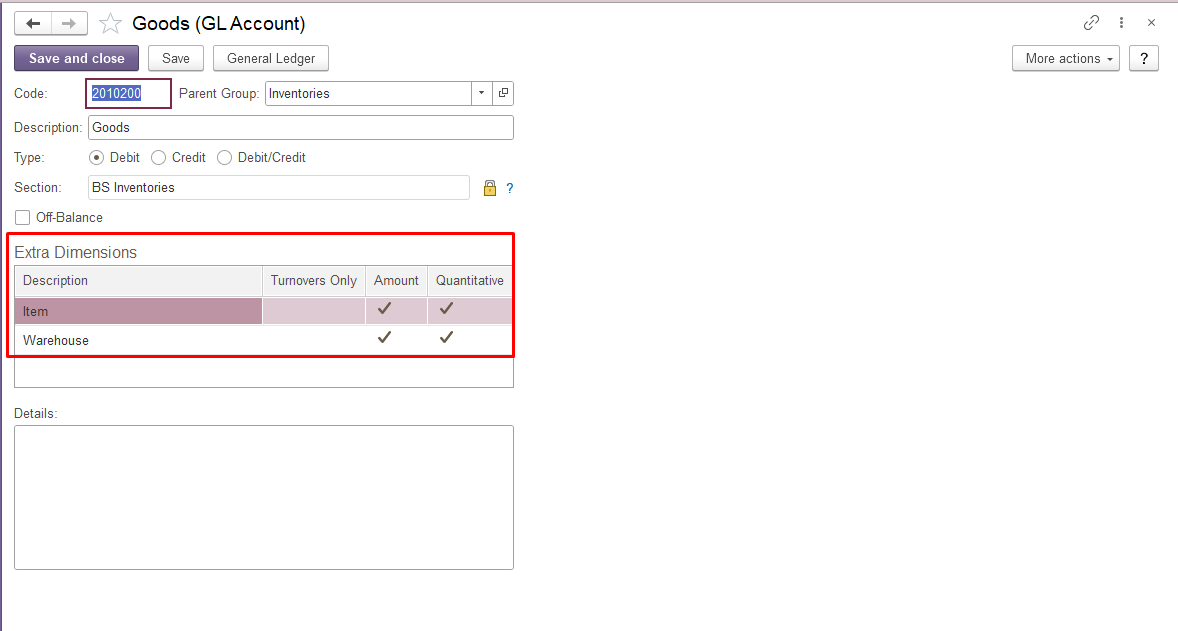
Examples of analytical dimensions include:
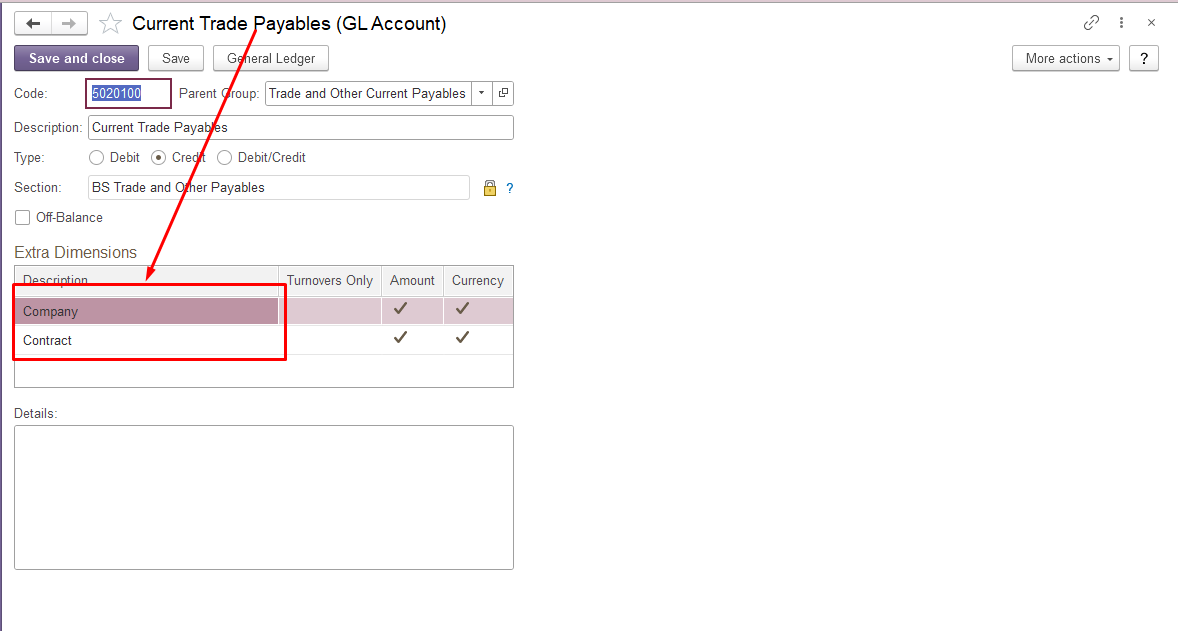
- Company — used when balances need to be tracked separately by legal entity or counterparty organization.
- Contract — used for tracking obligations or receivables related to specific agreements.
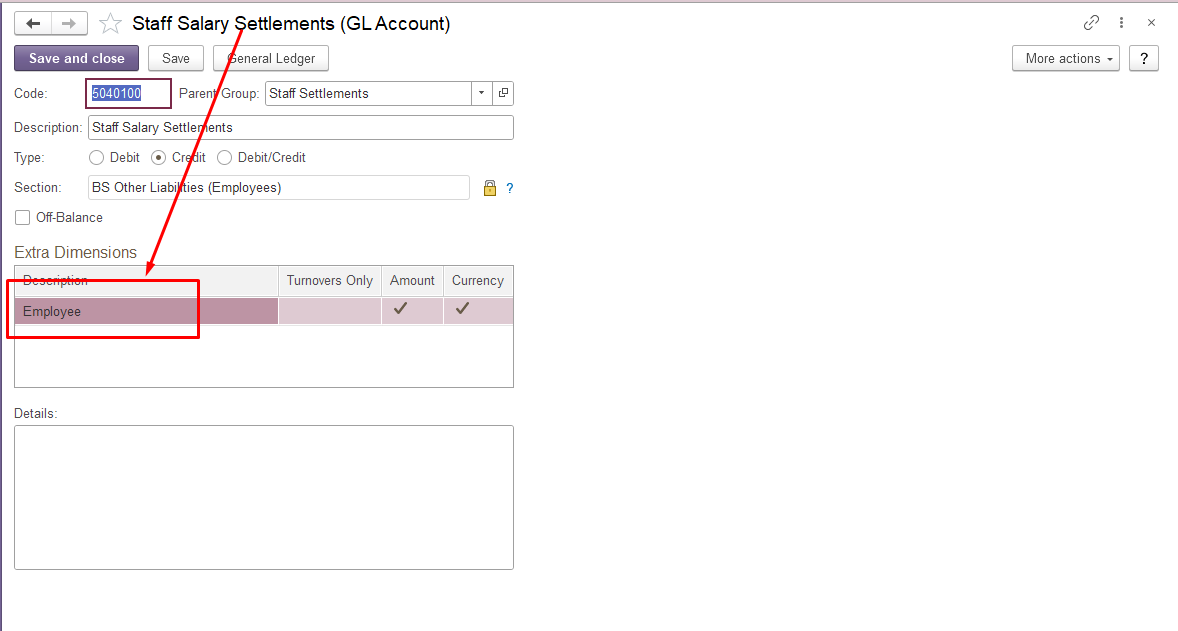
- Employee — used for employee-related balances (salary settlements, employee benefits, expenses).
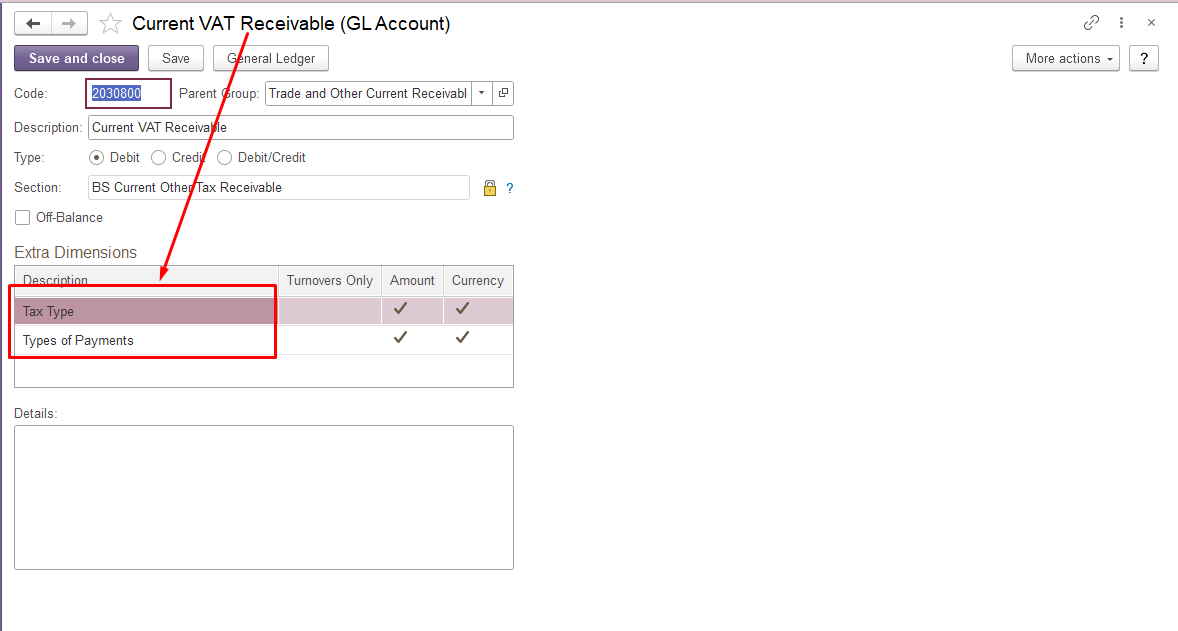
- Tax Type / Payment Type — used for tax-related accounts.
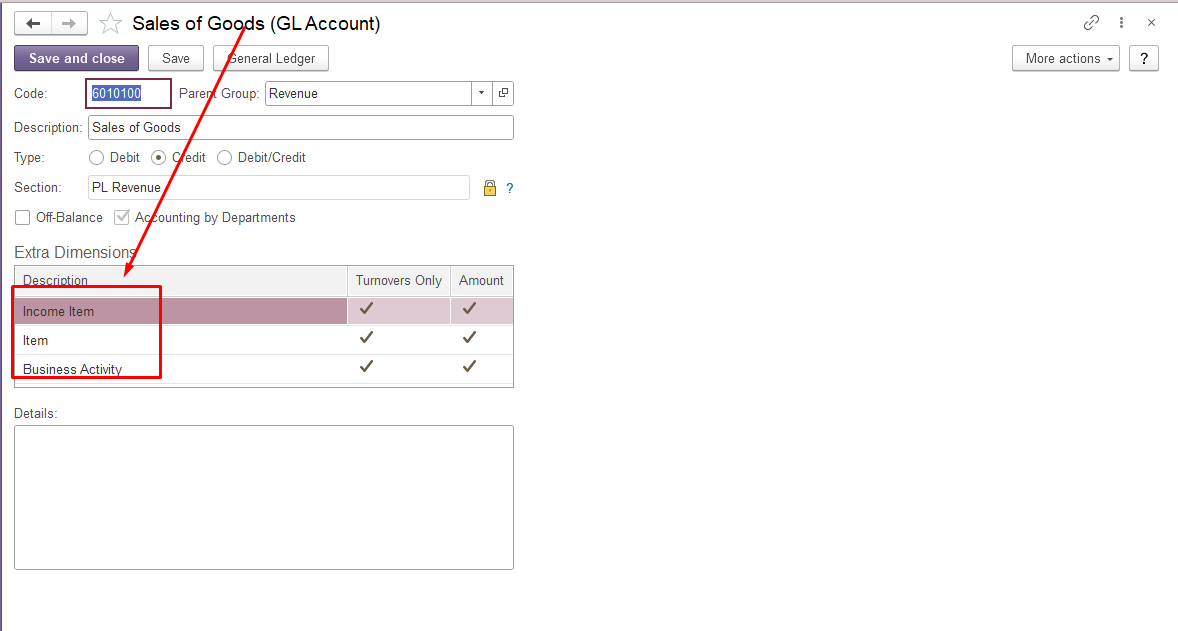
- Items / Income Items / Expense Items — used for operational income and expense analysis.
- Fixed Assets — used for asset-related depreciation and transactions.
For example:
- Trade payables accounts require analytical tracking by Company and Contract because the system must identify the supplier/customer relationship and related agreement.
- Employee settlement accounts require Employee analytics because the balance belongs to a specific employee.
- Tax-related accounts may require analytics such as Tax Type and Types of Payments. These dimensions allow the system to classify tax transactions by tax category and payment purpose, such as tax amounts, penalties, interest, or tax prepayments.
- Revenue and expense accounts may require operational analytics such as Items or Business Activities for management reporting.
апраорапро