...
In addition to the main settings, phased revenue recognition must also be activated within the contract itself.
Contract→ Project Terms tab→ Use Phased revenue recognition.
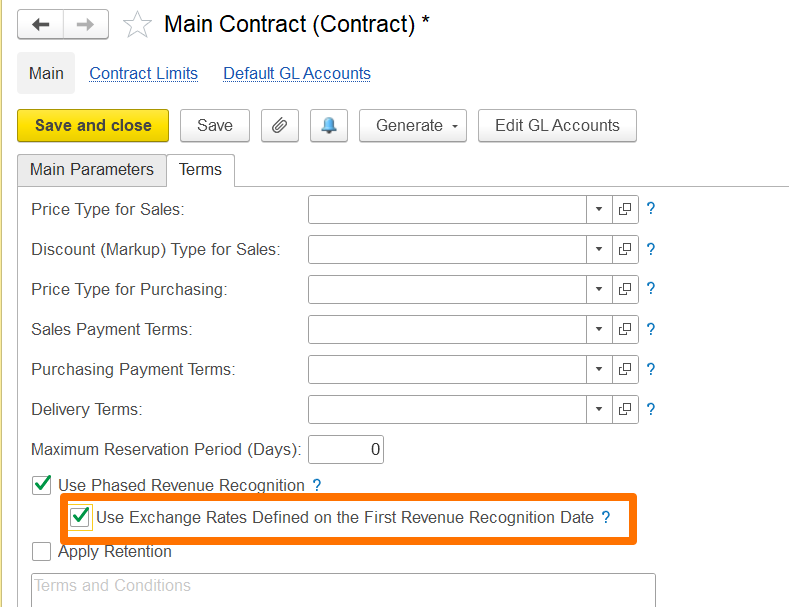
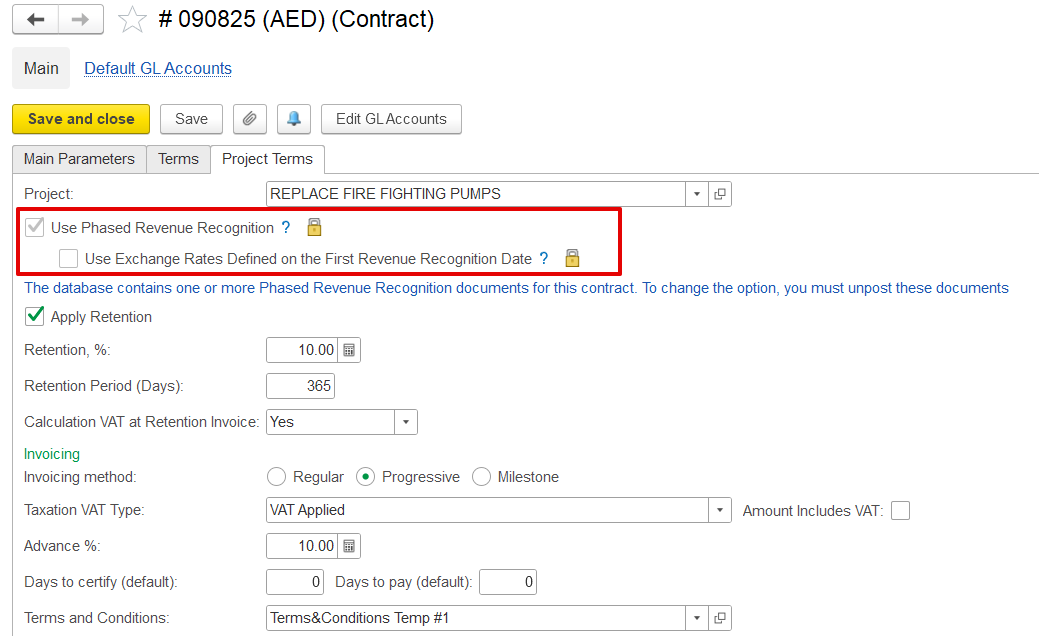
Additionally, if the contract involves a foreign currency, you can use the exchange rate defined on the first revenue recognition date to account for exchange rate fluctuations.
If enabled, the exchange rate set on the date of the first revenue recognition will apply to all subsequent phased revenue recognition documents, with gains or losses calculated only when the invoice is issued.
If disabled, gain/loss calculations will occur during month-end closing using the exchange rates applicable on each document's date.
How to create
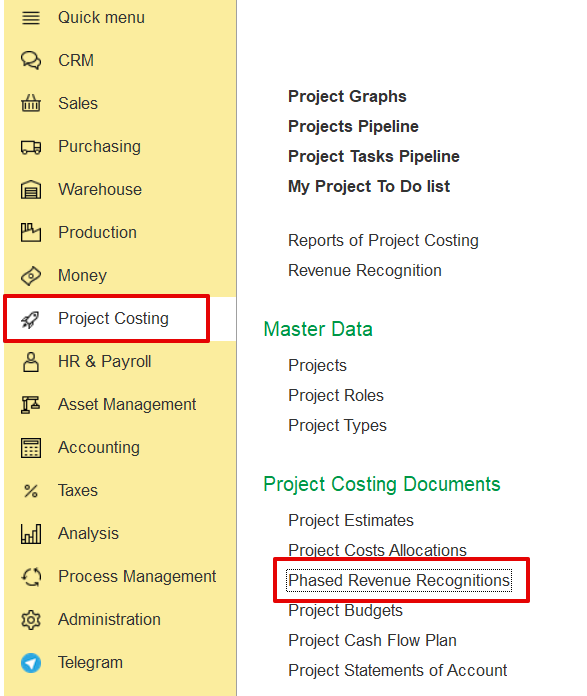
Project costing→ Project costing documents→ Phased Revenue Recognitions
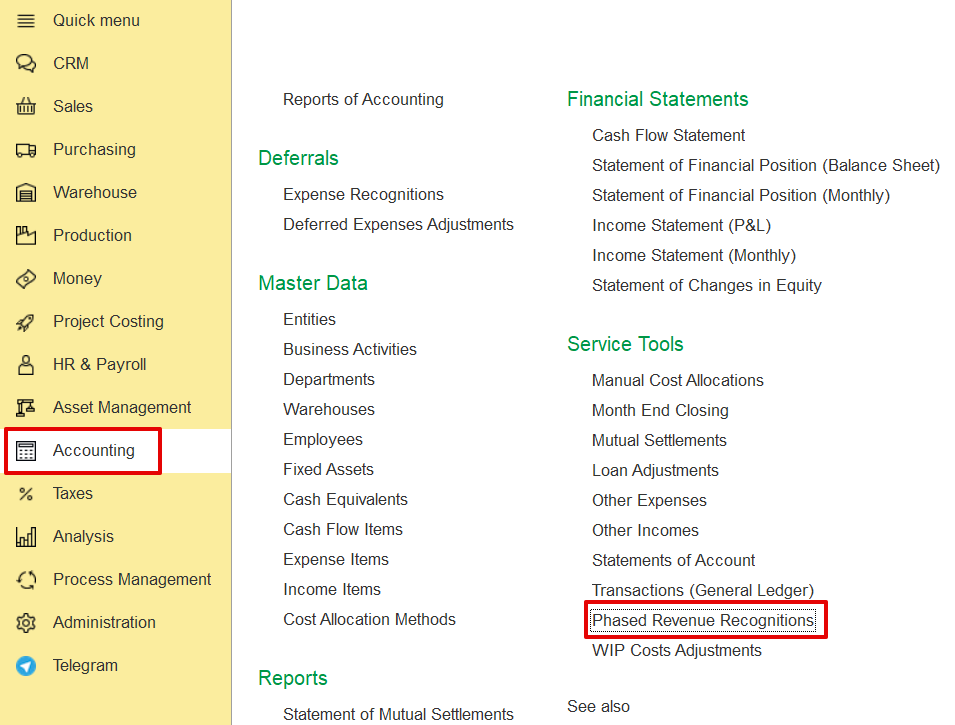
Alternatively, Accounting → Service tools → Phased revenue recognitions→ Revenue Recognitions→ Create
Main tab
The Main Tab contains key information related to Phased Revenue Recognition.
The following fields are available. All details are filled automatically once a Project is selected:
Company- The The company from project for whom which the recognition is being created.
Contract- Company contract linked to revenue recognition.
Project- Project for which phased revenue recognition is applied.
Customer Order- Link the customer order.
- Entity -The entity issuing recognizing the recognitionrevenue.
Planned Expenses Source- Basis for expected costs used in calculations.
Basis- Source document from which the recognition is created (e.g., project estimate, customer order).
Comment- Field for additional notes.
...
Refill- Reloads all tasks, estimates, and expenses linked to the selected project.
Code- Task reference number.
Project Task- Description of the task or activity.
Estimate- Planned values from project estimates:
Price- Planned unit price.
Amount- Planned total amount.
Already Recognized- Values already recognized in past periods
Qty- Quantity already recognized.
Amount- Value recognized.
%- Percentage of task completed/recognized.
Current Recognition- Values recognized in the current perioddocument:
Qty- Quantity to be recognized now.
Amount- Value recognized for in this perioddocument.
Current %- Percentage recognized in the current perioddocument.
Cumulative %- Total percentage recognized up to now.
...
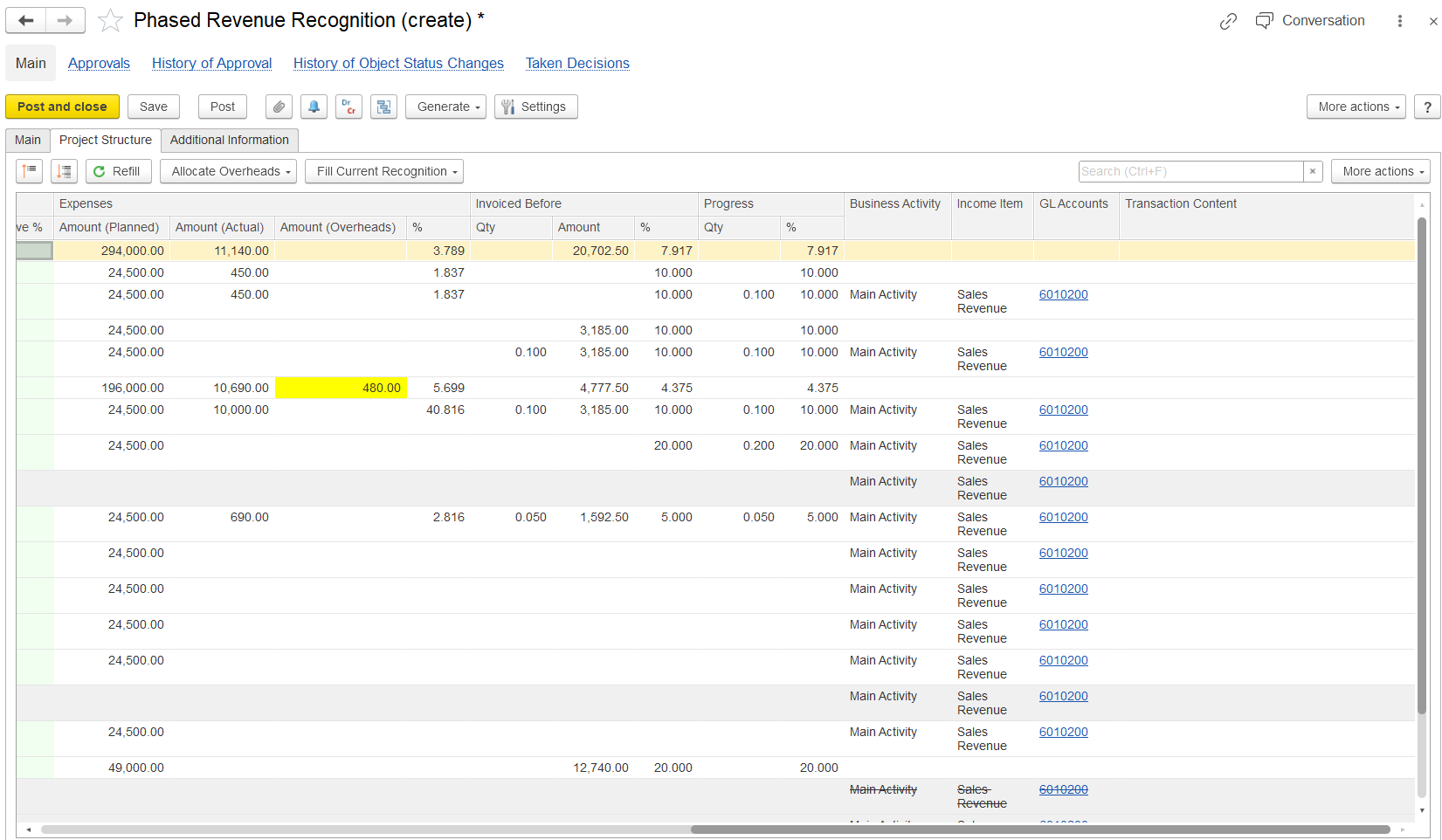
- Expenses- Planned, actual, and overhead expenses:
Amount (Planned)- Estimated (Budgeted) cost of the task. Filled based on the Planned Expenses Source.
Amount (Actual)- Actual expenses recorded.
Amount (Overheads)- Overhead allocation, the Unallocated expenses are highlighted in yellow.
Invoiced Before- Values already invoiced to the customer.
Progress- Progress of the task.
Business Activity- Activity type (e.g., Main Activity).
Income Item- Revenue classification (e.g., Sales Revenue).
GL Accounts- Accounts used for posting recognized revenue.
Transaction Content- Used to add any Additional reference required.
Additional Information Tab
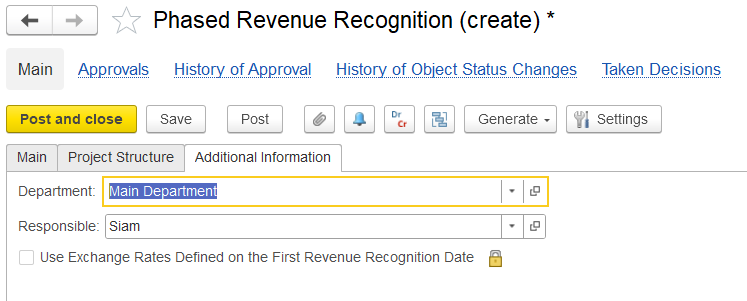
This tab contains the following fields:
Department- The department responsible for the recognition process.
Responsible- The employee or person accountable for preparing and managing the recognition.
Use Exchange Rates Defined on the First Revenue Recognition Date- An option to fix and apply the same exchange rates from the first recognition date for consistency across subsequent recognitions.
Allocate Overheads
...
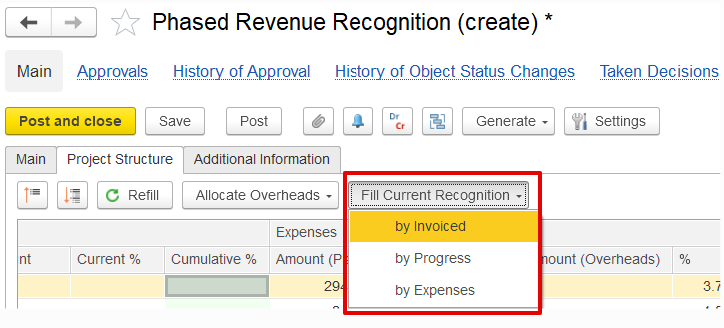
Defines how revenue for the current period should be recognized. Options include:
- By Invoiced-
...
- Revenue is recognized based on a percentage of the invoice value, with the pending balance calculated accordingly, so that the revenue percentage for each line aligns with the invoiced percentage.
- By Progress-
...
- Revenue is recognized according to the percentage of work completed, as reflected in progress reports. The pending revenue is calculated to ensure that the recognized revenue corresponds to the reported progress for each line.
- By Expenses-
...
- Revenue is recognized in proportion to the actual expenses incurred during the period. The pending revenue is determined by comparing incurred costs to the total estimated costs, aligning the recognition with the expense percentage.
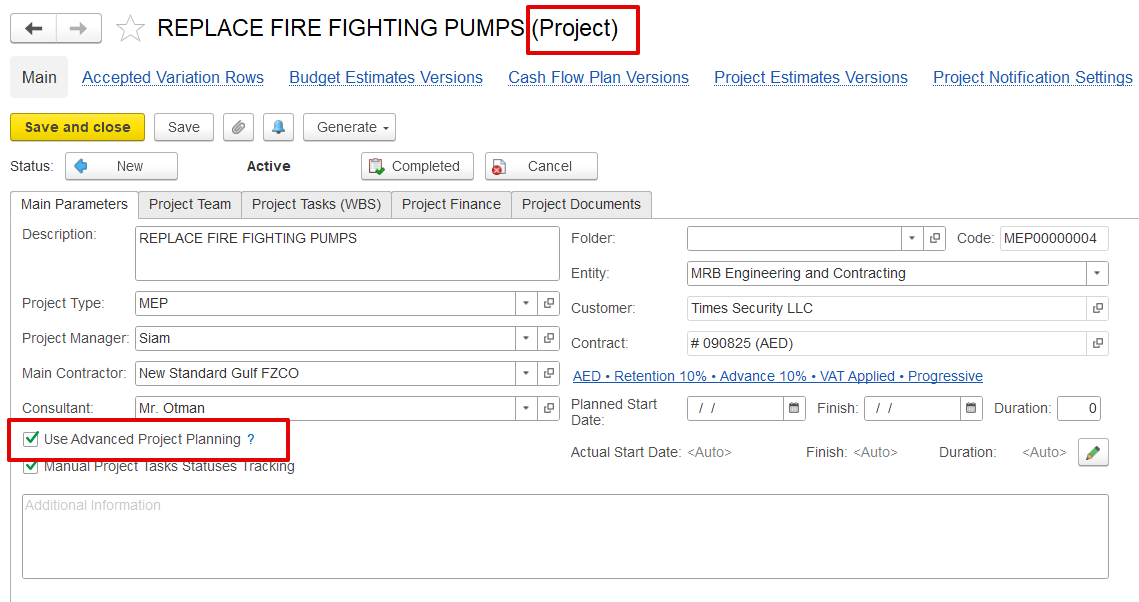
Not Advanced Project Planning
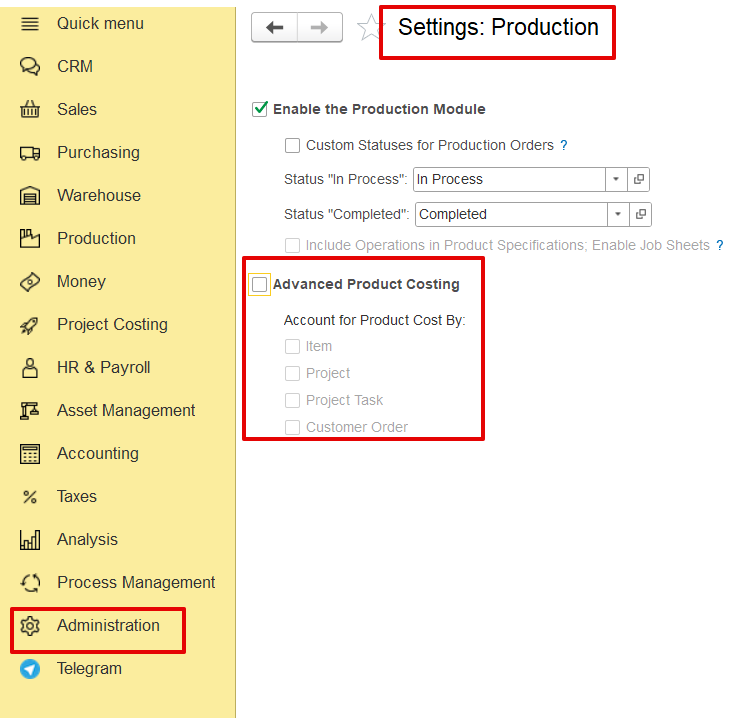
If the project is not enabled for marked as Advanced Project Planning in the production settings, the system will use switches to the old standard Phased Revenue Recognition mode. In this mode, where the project structure is not available, and revenue is recognized only by expenses.
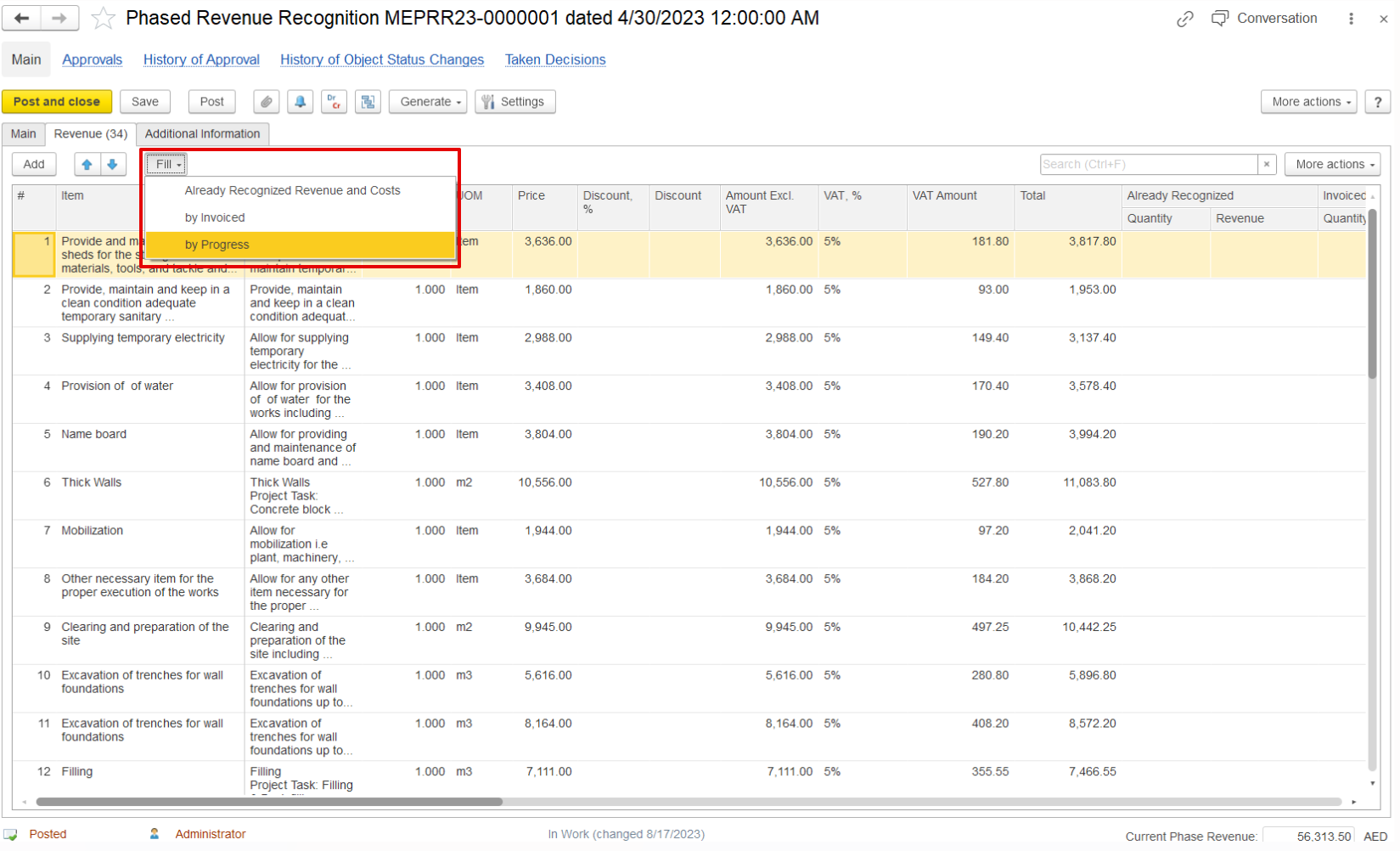 can be recognized using one of the following methods:
a) By Invoice- Revenue is recognized according to the invoiced amounts issued for the project.
b) By Progress- Revenue is recognized in line with the progress achieved, as reported for the project.
Additionally, document table can be filled By Already Recognized Revenue and Cost- this button is filling already recognized in previous periods.
Additional Information Tab
This tab contains the following fields:
Department- The department responsible for the recognition process.
Responsible- The employee or person accountable for preparing and managing the recognition.
Use Exchange Rates Defined on the First Revenue Recognition Date- An option to fix and apply the same exchange rates from the first recognition date for consistency across subsequent recognitions.